Dead Tree Removal in the Denver Metro Area
Dead or dying trees can pose serious safety risks to your home, property, and surrounding landscape, especially when weakened branches or unstable trunks are exposed to Colorado’s unpredictable weather.
Colorado Tree & Lawn Specialists provides professional dead tree removal services in Denver, CO, and throughout the surrounding Denver Metro area. With more than 25 years of tree care experience and ISA Certified Arborist expertise, we evaluate each tree’s condition, identify potential hazards, and determine the safest approach for removal.
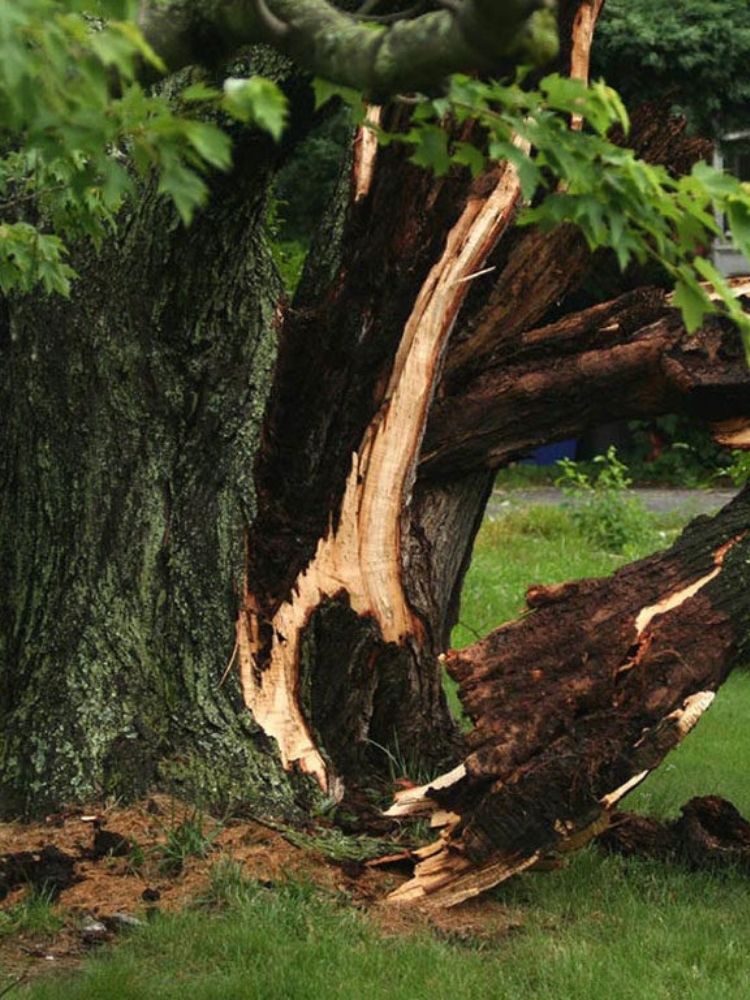
A dead tree is more than an eyesore. As a tree loses its ability to support healthy growth, its branches, trunk, and root system can become increasingly compromised. Over time, decaying wood and weakened structural integrity can make the tree unpredictable, increasing the possibility of falling limbs or complete tree failure.
Colorado Tree & Lawn Specialists provides professional dead tree removal in Denver, CO, for residential and commercial properties. We understand that no two removal projects are exactly alike. Tree size, location, surrounding structures, accessibility, and the condition of the wood all influence how a tree should be removed.
Our team evaluates these factors before beginning work and develops a removal plan that accounts for the specific conditions of your property. From smaller dead trees in residential yards to large, structurally compromised trees in more challenging locations, we approach every project with careful planning and an emphasis on safety.
A dead tree is more than an eyesore. As a tree loses its ability to support healthy growth, its branches, trunk, and root system can become increasingly compromised. Over time, decaying wood and weakened structural integrity can make the tree unpredictable, increasing the possibility of falling limbs or complete tree failure.
Colorado Tree & Lawn Specialists provides professional dead tree removal in Denver, CO, for residential and commercial properties. We understand that no two removal projects are exactly alike. Tree size, location, surrounding structures, accessibility, and the condition of the wood all influence how a tree should be removed.
Our team evaluates these factors before beginning work and develops a removal plan that accounts for the specific conditions of your property. From smaller dead trees in residential yards to large, structurally compromised trees in more challenging locations, we approach every project with careful planning and an emphasis on safety.
Safe Removal of Dead and Structurally Compromised Trees
Dead trees can become brittle and unpredictable, making them more difficult to remove than healthy trees. Decayed limbs may break unexpectedly, while weakened trunks can make it difficult to determine how a tree will respond during removal.
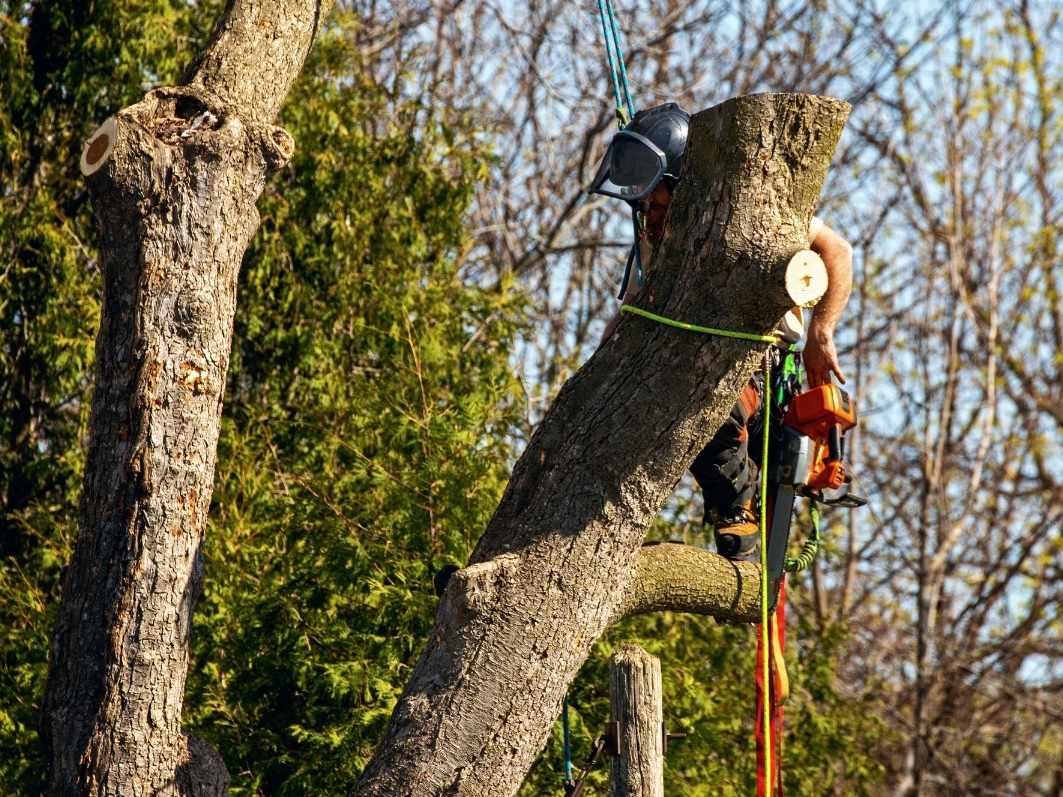
Our experienced crew uses professional equipment and established removal techniques to manage these risks. Depending on the tree’s condition and surroundings, removal may involve sectional dismantling, controlled lowering of branches, or specialized equipment to safely remove larger sections.
We take precautions to protect nearby buildings, landscaping, driveways, and other property features throughout the process.
Removal of Trees Damaged by Disease, Insects, or Weather
Colorado trees face a variety of environmental challenges that can contribute to declining health and eventual death. Extended dry conditions, temperature extremes, heavy snowfall, strong winds, and insect infestations can all place significant stress on local trees.
Some trees decline gradually, while others sustain severe damage following a storm or disease outbreak. When a tree can no longer be preserved safely, removal may be the most responsible option.
Our team can evaluate dead and declining trees to help determine whether removal is necessary or whether other tree care options may be appropriate.
Not every unhealthy-looking tree is dead, but certain warning signs can indicate that a tree has experienced significant damage or is no longer viable. Recognizing these conditions early can help property owners address potential hazards before a tree or large limb fails.
An ISA Certified Arborist can evaluate the tree’s overall condition, identify potential structural problems, and recommend the appropriate next steps.

Extensive Dead Branches or a Completely Bare Canopy
One of the most noticeable signs of a dead or declining tree is widespread branch dieback. If large portions of the canopy have no leaves or needles during the normal growing season, the tree may be experiencing significant health problems.
Some trees naturally shed foliage seasonally, and isolated dead branches do not necessarily mean the entire tree needs removal. However, extensive dieback throughout the canopy warrants a closer inspection.

Peeling, Damaged, or Decaying Bark
Bark protects the living tissues responsible for transporting water and nutrients throughout a tree. Large areas of missing bark, deep cracks, fungal growth, or visible decay can indicate serious internal damage.
While some species naturally shed portions of their bark, unusual damage combined with other symptoms may point to declining health or structural weakness.

Fungal Growth Around the Trunk or Roots
Mushrooms, conks, and other fungal growths near the base of a tree or along its trunk can sometimes indicate wood decay. Certain fungi break down internal wood, potentially weakening the trunk or root system even when the tree still has healthy-looking foliage.
An arborist can assess these signs and determine whether additional evaluation or removal is recommended.

Leaning or Unstable Tree Structure
A tree that suddenly develops a noticeable lean, has exposed or damaged roots, or shows movement in the soil around its base may have a compromised root system.
This can be especially concerning following heavy rain, strong winds, or snowstorms. If a tree appears unstable, keep your distance and arrange for a professional assessment.

Signs of Insect Damage or Advanced Disease
Boring insects, bark beetles, and certain diseases can seriously damage trees in Colorado. Small exit holes, sawdust-like material, unusual discoloration, thinning foliage, and widespread branch dieback may indicate an infestation or disease affecting the tree’s health.
Some infestations can cause rapid decline, while others weaken trees over several growing seasons. Identifying the underlying issue helps determine whether treatment or removal is the appropriate solution.
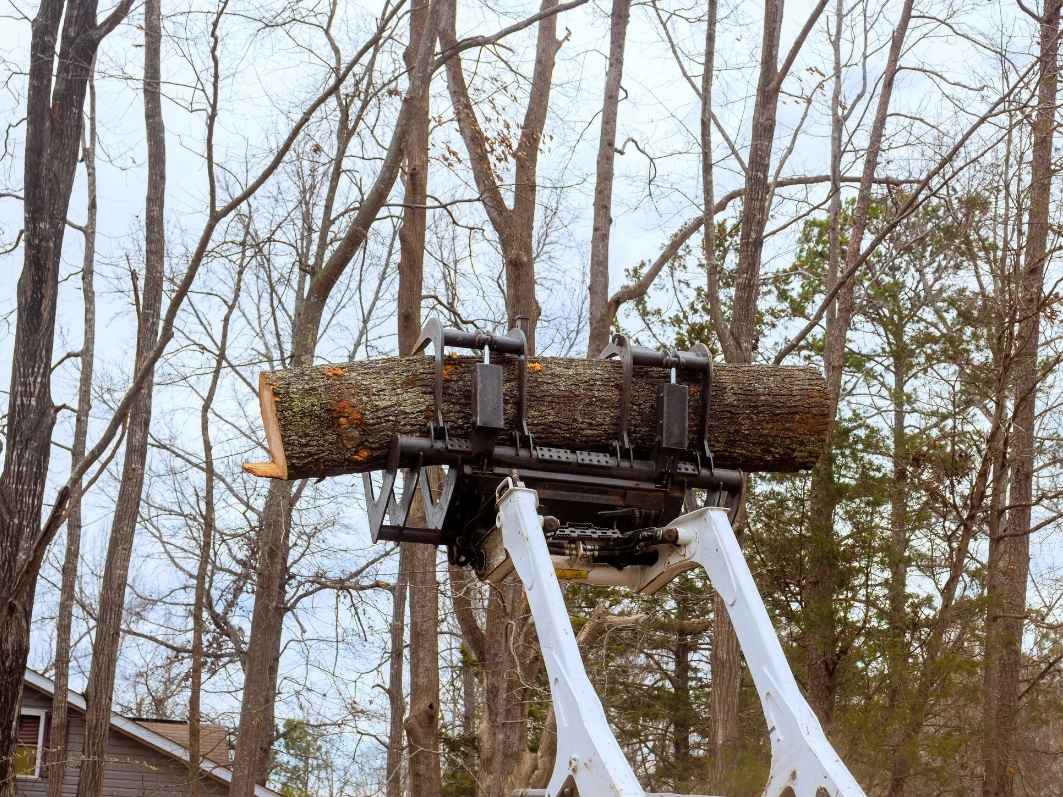
Leaving a dead tree standing can create unnecessary risks, particularly when it is located near a home, driveway, sidewalk, outdoor living space, or other frequently used area.
As dead wood deteriorates, branches can become brittle and break under relatively modest loads. The trunk and root system may also lose structural integrity, making the entire tree more vulnerable to wind, snow, and other weather conditions.
Professional dead tree removal can help address several potential concerns:
- Falling branches: Dead limbs can break without warning and damage roofs, vehicles, fences, or other property.
- Tree failure: A severely decayed trunk or compromised root system may cause the entire tree to fall.
- Property damage: Dead trees near buildings, driveways, and outdoor spaces can create costly hazards.
- Pest concerns: Certain dead or declining trees can provide habitat for wood-boring insects and other pests.
- Landscape maintenance: Removing dead trees can improve the appearance of your property and create space for new landscaping or replacement trees.
Not every dead tree presents the same level of risk. Its condition, location, height, and surrounding environment all matter. Our team can help you understand the risks and determine whether removal should be prioritized.
Removing a dead tree safely requires more than cutting it down. The condition of the wood, the tree’s location, and the surrounding property all influence the removal process.
At Colorado Tree & Lawn Specialists, we take a thoughtful approach to every project. Our experience with Colorado tree species and local environmental conditions helps us account for the challenges that can arise when removing dead and damaged trees.

We begin by evaluating the tree’s condition, size, location, and surrounding environment. This allows us to identify visible signs of decay, structural weaknesses, and potential hazards that could affect the removal process.
When appropriate, our ISA Certified Arborist expertise helps determine whether removal is necessary or if other management options should be considered.

Once removal is recommended, we consider the safest and most practical way to complete the work. This includes evaluating nearby structures, landscaping, access points, overhead obstacles, and the condition of the tree itself.
Depending on the circumstances, we may remove the tree in manageable sections rather than attempting to bring it down in one piece.

Our crew uses professional equipment and established techniques to remove the tree while taking precautions to protect your property.
After the removal, we address the resulting branches and wood debris and leave the work area clean and orderly. We also look for opportunities to recycle wood and tree materials into mulch or other usable products whenever practical.
Choosing the right tree service company matters, especially when dealing with a dead tree that could pose a safety concern. You want a team that understands tree biology, recognizes potential hazards, and has the experience to handle difficult removals responsibly.
Colorado Tree & Lawn Specialists brings decades of hands-on experience and professional arboricultural knowledge to every project.
ISA Certified Arborist Expertise
Our ISA Certified Arborist expertise helps us evaluate tree health, recognize signs of decay and structural problems, and make informed recommendations. We look beyond the visible symptoms to better understand what is happening with your tree.
More Than 25 Years of Tree Care Experience
We’ve spent more than 25 years working with Colorado trees and the conditions that affect them. From storm-damaged trees to complex removals, our experience helps us approach each project with practical knowledge and careful planning.
Safety-Focused and Fully Licensed and Insured
Tree removal involves significant risks, particularly when dealing with dead or weakened wood. We take safety seriously and use appropriate equipment and professional removal practices. Our company is fully licensed and insured, providing additional peace of mind throughout your project.
Honest Recommendations and Transparent Pricing
We believe homeowners and property managers deserve clear communication and straightforward pricing. We take the time to understand your concerns, explain our recommendations, and provide an estimate based on the actual requirements of your removal project.
Responsible Tree Debris Management
Whenever possible, we look for ways to put removed tree materials to productive use. Recycling suitable wood and debris into mulch or other usable materials helps reduce waste and supports more responsible landscape management.
Colorado Tree & Lawn Specialists proudly provides dead tree removal services throughout the Denver Metro communities. Our team works with homeowners and businesses across the region, helping property owners address dead, declining, and hazardous trees.
We understand that local conditions can vary throughout the Denver Metro area. From drought-stressed trees to winter damage and insect-related decline, our experience with Colorado’s climate helps us provide informed tree removal recommendations.
Our service area includes Denver CO, Littleton CO, Lakewood CO, Aurora CO, Highlands Ranch CO, Glendale CO, and surrounding communities.
If you have a dead or potentially hazardous tree at your home or business, contact Colorado Tree & Lawn Specialists to discuss your removal needs.
Frequently Asked Questions About Dead Tree Removal in Denver CO
How do I know if a tree is completely dead or just dormant?
A dormant tree may look bare or inactive during the winter, but its branches and trunk are still living. A dead tree, on the other hand, no longer produces new growth and may show signs such as brittle branches, widespread bark deterioration, fungal growth, and extensive canopy dieback.
In Colorado, seasonal changes can make it difficult to distinguish between dormancy and decline, particularly with deciduous trees. An ISA Certified Arborist can evaluate the tree’s condition and look for signs of living tissue, structural damage, and disease before recommending removal.
Is it dangerous to leave a dead tree standing?
It can be, especially when the tree is near a home, driveway, walkway, or other area where people regularly spend time. As the wood deteriorates, branches may become increasingly brittle, and the trunk or root system can lose the strength needed to support the tree.
Colorado’s strong winds, heavy snow, and changing weather conditions can increase the likelihood of branch breakage or tree failure. Having a dead tree professionally evaluated helps determine the level of risk and whether removal is recommended.
How much does dead tree removal cost in Denver, CO?
The cost of dead tree removal in Denver, CO, depends on several factors, including the tree’s height, trunk diameter, condition, accessibility, and proximity to buildings, fences, power lines, and other obstacles.
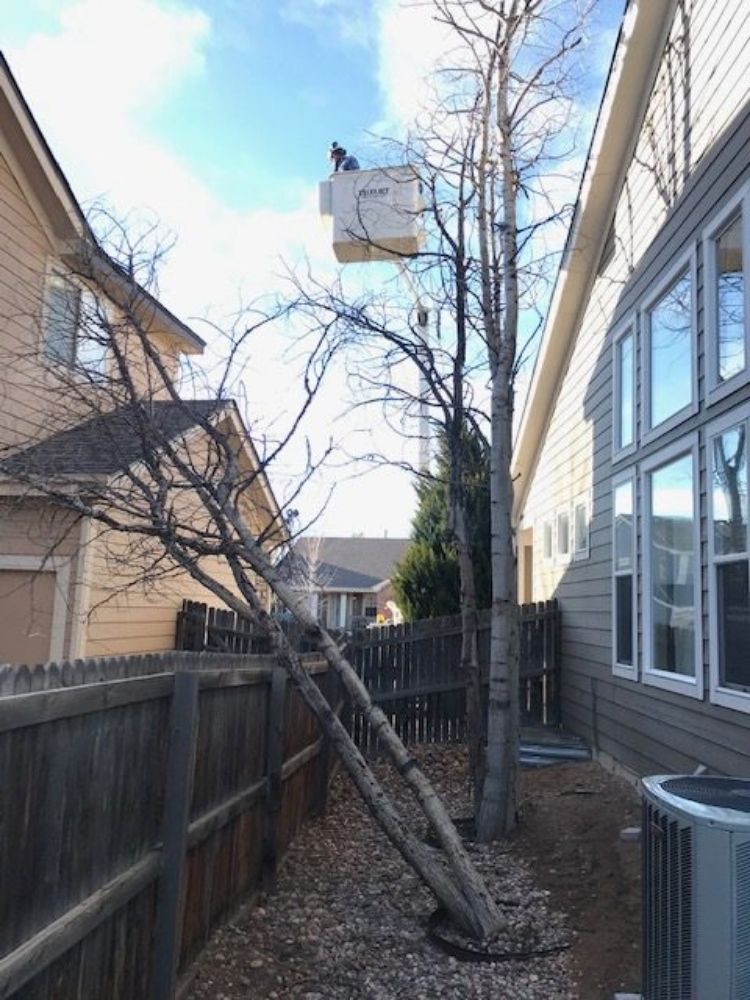
Dead trees can sometimes require additional precautions because their wood may be brittle or structurally unstable. A tree in an open yard may be more straightforward to remove than one positioned between buildings or over a roof.
Colorado Tree & Lawn Specialists evaluates the specific conditions of your property to provide a removal recommendation and estimate based on the work involved.
Can a dead tree be removed during the winter in Colorado?
Yes. Dead trees can generally be removed throughout the year, including during winter. In fact, waiting for spring is not always advisable when a dead tree poses a potential safety concern.
Weather conditions, ground accessibility, snow accumulation, and the tree’s location can influence scheduling and the removal process. Our team considers these factors when planning a project to determine an appropriate time for removal.
Should I remove a dead tree myself or hire a professional tree service?
Removing a dead tree can be particularly dangerous because deteriorated wood may break unexpectedly, making the tree difficult to predict during cutting. Large trees, trees near structures, and those with compromised trunks or root systems require careful planning and professional equipment.
Hiring an experienced, fully licensed and insured tree service company helps reduce the risks associated with the removal process. Colorado Tree & Lawn Specialists has more than 25 years of experience and ISA Certified Arborist expertise to help assess tree conditions and manage challenging removals safely.
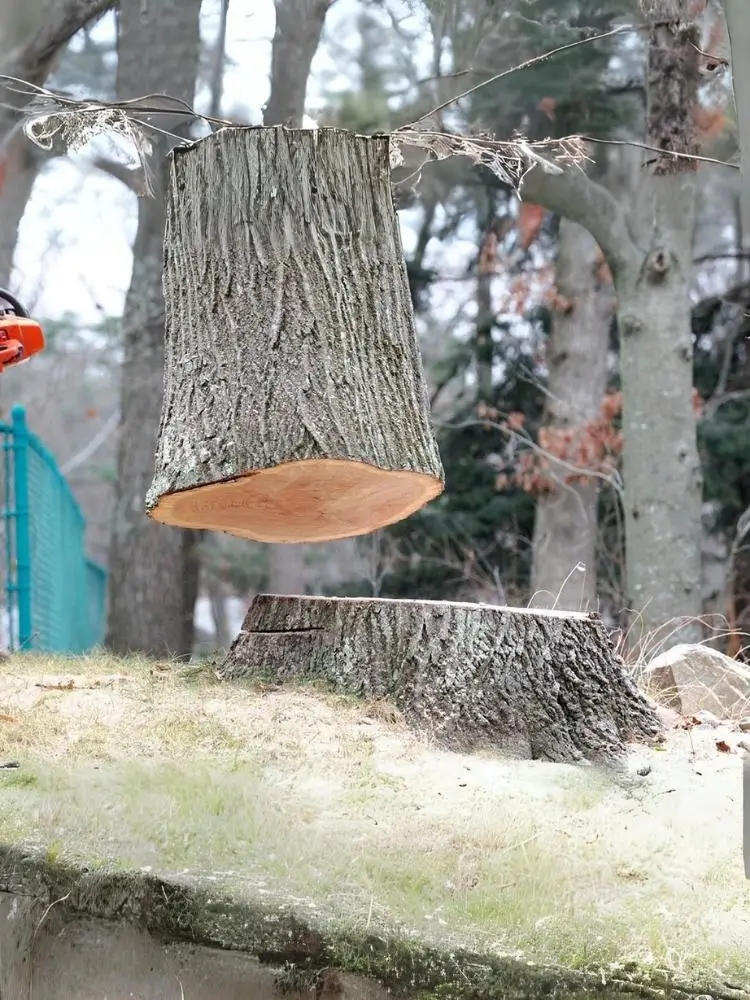
A dead tree can quickly become a concern when it threatens your home, business, or surrounding property. Having it evaluated by an experienced tree care professional is an important step toward addressing potential hazards before they become larger problems.
Colorado Tree & Lawn Specialists provides dependable dead tree removal services throughout Denver, CO, and the surrounding communities. With more than 25 years of experience, ISA Certified Arborist expertise, and a commitment to quality workmanship, we’re ready to help you determine the right solution for your property.
Contact our team today to request an estimate for dead tree removal.